Showing posts with label Medi Issue. Show all posts

Nov 14, 2011

Zenith of fermentation – Soy Sauce


Soy sauce has been a part of Koreans’ diet even longer than kimchi. Mainly made from soy beans, it is very nutritious and the beans’ amino acids create a synergy effect to emphasize healthy ingredients during the fermentation process to produce a full-body taste. 


Soy sauce for fortune telling?

Although it is not clear when the Koreans started to make soy sauce, many refer to the record of Samguksaki (History of the Three Kingdoms) which suggested it was first made in 683A.D. It is said that the Korean ancestors used soy sauce to foretell family fortune or outcome of war. They believed someone in the family will get sick or die and lose the battle if the taste of soy sauce changes.

Difference between Korean and Japanese soy sauce

soy sauce
Another country where people consume as much soy sauce as in Korea is Japan. The Koreans call Japanese soy sauce Wae Ganjang (‘Wae’ means Japan and ‘Ganjang’ soy sauce) and soy sauce made according to traditional methods Joseon Ganjang (‘Joseon’ means Korea). Joseon Ganjang is mainly made of soy beans and fermented in traditional crocks using bacilius subtilis. Meanwhile, wae ganjang (Japanese style ganjang) is made of a mixture of beans and starch and fermented with aspergilus oryzae. In comparison, Korean soy sauce tastes saltier and strong. With no preservative used, Korean soy sauce can be kept at room temperature. 

Ingredients in soy sauce

Soy sauce contains numerous healthy substances. First, it is a rich repository of minerals including almost all 39 kinds of minerals required for the body. Other substances that can be found in soy sauce include sulfur (to discharge pollutants outside the body); iron (to prevent anemia); molybdenum and rubidium (to make the brain healthy); phosphorus and calcium (to make the bones healthy); sodium chloride (salty taste); and more. Soy sauce made with bamboo salt also includes gold and platinum. Calcium and phosphorus do not have a direct impact on the bones on their own, and gold and platinum help gather calcium and phosphorus to make the bones healthy.
Effects of soy sauce

soy sauceThe greatest effect of soy sauce is that it helps calm the stomach and in particular long-matured soy sauce helps protect and stimulate the brain cells. Protecting cells that can be the cause of all diseases is important and soy sauce removes impurities in blood, softens the vessels, and boosts synthesis of vitamins in the body that are good for blood circulation. Korean traditional soy sauce, in particular, is rich in lactobacilli like yeast fungi and cacilus subtilis and effective in supplying proteins, amino acids and salt. It also excels indetoxification to remove harmful substances from the body and is thereby great for skin care.


To read a full story about soy sauce, visit www.koreamedicalhub.com


Oct 31, 2011

Use of climbing sticks prevent spinal & knee injury

Climbing sticks distribute the load on your knees and spine by one third if used correctly when you hike.
Many consider climbing sticks are only for the intensive mountain climbing, and put climbing sticks away for light tracking. This is a wrong idea. If you use the sticks in correct manner, they will greatly reduce the danger of spinal & knee injury.
Adjust the height of the sticks perpendicular to your arms when you hold them on a flat ground. Slide your hand upward into the strap (see photo 1&2), and then grab the strap and the handle together (see photo 3).
On the uphill, lean forward your upper body and slightly bend down toward the climbing sticks instead of pushing them forward. On the downhill, make sure your upper body is positioned behind the climbing sticks since your knees take the load otherwise. Keep your feet slightly apart, and walk with little steps while supporting with the sticks closed to your feet. Putting a lot of weight on the sticks when going downhill will burden the wrist joint.

To read other useful health tips, please visit http://www.koreamedicalhub.com/

Oct 24, 2011

A must for healthy senior life

Regular blood pressure & glucose level check is a must for healthy senior life


With the average life expectancy of 80 years old, maintaining a good health has become a critical issue for seniors. 50s or older ‘Active Seniors’ are now emerging as power consumers who invest heavily for their health - especially enthusiastic about managing their blood pressure and glucose level.

Since seniors suffering from hypertension and diabetes are continuously increasing, it is adviable to be equipped with Sphygmomanometer and Blood Glucose Meter at home. Electronic sphygmomanometer ‘BP5900’ by Brown Healthcare can record the maximum of 99 BP measurements, and provide the average value over a set period of time. 

‘Barogen’, a Blood Glucose Meter by Handok Medical Equipment let you measure the glucose level without entering any code. It provides 2-week average for you to manage the glucose level more effectively.

Oct 11, 2011

Drink vinegar for healthy life

The more you drink, the more beautiful you get.
Beautiful international celebrities like Megan Fox and Gwyneth Paltrow credited a ‘vinegar diet’ for helping them maintaining a slim figure, which in turn triggered great interest in vinegar. Vinegar is beneficial not only to losing weight but also to skin and health. Building on this popularity, vinegar beverages are making a sensation in the market and Korea’s vinegar beverages are at its center. Called the Hallyu syndrome in the beverage industry, the Korean vinegar beverages are capturing the palate of people around the world.

Secret of beauty, vinegar
It is said the ancient Egyptian queen Cleopatra often drank vinegar with natural pearls melted in it for beauty purpose. More recently, top Hollywood actresses are maintaining their figure with vinegar. What properties of this sour drink captured their heart?
1) Vinegar contains more than 60 kinds of organic acids that are beneficial to the intestines like acetic acid, citric acid, succinic acid, and malic acid. Having one cup of vinegar everyday helps solve skin allergy.
2) Vinegar helps stimulate metabolism and burn accumulated fat to reduce body fat. Rich in amino acids and vitamins, it helps mitigate under-nutrition resulting from a diet.
3) Its main ingredient, acetic acid boosts metabolism to release waste from the body. And citric acid helps the body’s absorption of calcium and cleans intestinal walls to help activate the intestines and treat constipation. Vinegar is also great for skin.

Prevention of obesity, cancer, adult disease, and other illnesses
An American columnist praised vinegar that can prevent various diseases as ‘miracle water given by nature’. ‘Why did he think so highly of it?
1) When you engage in lots of physical activities, energy is consumed and lactic acid is secreted. Most of it is discharged in urine, but if one is exhausted, lactic acid remains in the body causing muscle pain, arthralgia, and such. Organic acids in vinegar resolve lactic acid into harmless water and carbon dioxides. This is why one should take in vinegar when feeling tired.
2) Vinegar helps remove cholesterol sticking to the walls of blood vessels and boost their flexibility. It also prevents sugar from turning into fat and boosts fat metabolism, thereby preventing high blood pressure, arteriosclerosis and more.
3) The enzyme angiotensin contained in vinegar helps to lower blood pressure, preventing high blood pressure.
How to drink
So it is clear that vinegar is good for health. But it is still difficult to take in. This is why vinegar beverages came into existence: they reduce the sourness and make it much enjoyable for men and women of all ages. The recommendation is to have it mixed with water or milk in a 1:2 to 1:4 mixture ratio. One should determine the dilution ratio depending on one’s taste. They come in various flavors such as pomegranate and blueberry.
N.B.
If you take in vinegar or an empty stomach, it may damage the stomach walls. If taken in a large quantity at one time, the body fluid may become strongly acid. One should take only one or two cups of diluted vinegar. If one has stomach ulcer or a bad kidney, one should consult with a doctor before taking vinegar.
Vinegar diet
The diet regimen known to enamor Hollywood stars for its great effects is a ‘banana & vinegar diet’. It is easy to follow: mix banana, vinegar, and maple syrup or black sugar in a ratio of 1:1:1. Warm it for 40 seconds in a microwave oven or in a double boiler to completely melt the sugar. Leave it at room temperature for a day. It is ready to eat and can be kept in the refrigerator for some two weeks. Remove any traces of banana and mix some three spoonfuls with water or milk to have before meals in the morning and evening.

Oct 5, 2011

How to eat better: Top 12 healthyheating tips

As a dietitian with 35 years of experience in the art and science of nutrition, I've learned what works and what doesn't to maintain healthy life. And I've picked up some truths and strategies along the way. Here are my top 12 healthy-eating tips for healthy life.

1. Keep a food journal. I've learned, both from research studies and experience, that the most important tool for weight loss or any dietary change is a food diary (in which you keep note of every single thing you eat throughout the day for at least a week). It helps you track what you’ve been eating, makes it easier for you to identify areas for change. 

2. Breakfast really is the most important meal of the day. Even though I've sometimes had to skip it, I always feel more energetic and alert when I have breakfast. My best mornings start with a tall, non-fat latte that I drink in a café after my walk. Back home, I eat either oatmeal (sometimes topped with fresh fruit), whole wheat bread with cheese or with peanut butter, or cottage cheese with fresh fruit. These are healthy choices, and the protein fills me enough to keep me going all morning.

3. Small steps can add up to big permanent changes – whether you are trying to lose weight, lower cholesterol or simply feel better. For instance, I measured the amount of oil I used in several of my recipes and cut it in half. I did this with stir-fry, one of my favorites; it still tastes delicious, and I save about 150 calories each time I eat it – which is about once a week. Over a year, that adds up to 7,800 calories – or a weight loss of two pounds.

4. Eat slowly. It's a wonderful way to savoir your food – and to eat less. Slow eating has become second nature for me, and many of my clients have found it helpful. Start by putting your fork down between bites, chewing a bit more or cutting food into smaller pieces.

5. Give in to your love of sweets, but do it with control. I love chocolate (and wish it were one of the food groups), so I still eat it. But now I buy only top-quality chocolate, for its exceptional taste, and eat a small piece, really savoring it. If I need just a little chocolate fix, I sprinkle chocolate on my latte or make myself a sugar-free hot chocolate.

6. Enjoy festive meals without guilt. We all have our moments of weakness, and that's OK. Just return to your more healthful habits at the next meal.

7. Eat seasonally and you'll enjoy fruit and vegetables at their tastiest, most affordable and most available. In the summer I eat fresh fruit such as peaches, nectarines, cherries and melons. In the fall I make soups with squash, cabbage or tomatoes, and visit country markets, where I can buy directly from farmers. The health value of fruit and vegetables is undisputed. Nature's convenience foods are portable, full of nutrients, low in fat and high in fibre.

8. The path to a wholesome eating style is individual, and should fit your lifestyle and food tastes. There are many experts who can help, but pick someone who listens to you and works with you to make your diet realistic and enjoyable.

9. Try not to get too hungry. It's best to eat something every three to four hours, which usually translates to three meals and one or two snacks daily. Make a list of healthy snacks. Mine include some plain, low-fat yogurt and fruit, popcorn, a cheese string with a few whole wheat crackers or half of a whole wheat pita stuffed with vegetables and tuna.

10. Eat healthy carbs, such as whole grain, low glycerin-index foods, which offer substantial health benefits. My favorites include whole grain breads, oatmeal, barley, buckwheat, bulgur and quinoa. Start by trying a new grain every few weeks in salads, side dishes, pilafs or casseroles.

11. Practice portion control – it's vital to weight management. Measure your cereal, pasta and dessert bowls and your drinking glasses, to see how much they actually hold. When I found out that my pasta bowls held nearly three cups, I changed to a smaller bowl. Psychologically you think you're eating more when you fill a small bowl than when you partially fill a large one.

12. Stay well hydrated. The best hydration comes from non-caffeinated, non-alcoholic beverages, soups and watery foods such as fruit and vegetables. I drink water with every meal and keep a bottle on my desk when I am working. If I want a change from plain water, I add some lemon or lime or a little cranberry juice.


To read more other health tips to maintain healthy life, please visit http://www.koreamedicalhub.com/
 

Oct 4, 2011

Taste indicates health condition

Warning signals of the body and different tastes
One's health is closely related to his/her daily diet, and there is an intimate relationship between health and food of different tastes.

Huangdi Neijing Also known as The Inner Canon of Huangdi or Yellow Emperor’s Inner Canon, it is an ancient Chinese medical text that has been treated as the fundamental doctrinal source for Chinese medicine for more than two millennia and until today. This book is about treatment of disease based on the five viscera and the six entrails, meridian system, and energy and blood circulation under the yin and yang and Wu Xing theory. Yin and Yang refers to positive and negative electricity that flow through the human body, and Wu Xing, the five elements to the liver/gall bladder, heart/small intestines, spleen/stomach, lungs/large intestines, kidney/bladder, and pericardium/San Jiao/ These organs are greatly affected by food we eat everyday and its tastes: the first pair by sour taste, the second by bitter taste, the third by sweet taste, the fourth by hot taste, the fifth by salty taste, and the last by astringent taste. Treatment of disease can be helped by taking in food of different tastes according to the patient’s symptoms.


#1 When to eat sour food
Symptoms   Swollen tonsils, a sty, watery eyes, feverish liver, tendency to be aggressive and get easily angry, loss of hair on the side of the head, and fevered eyes.
Cause  
Bad liver/gall bladder
Recommendation  
Citric acid (to be digested mixed with sugar in water), over-fermented kimchi, plum, apple, etc.
Caution  
Not recommended for a person with a bad stomach.


#2 When to eat bitter food
Symptoms   Inflamed eyes, a furred tongue, red cheeks, excessive perspiration, a pounding heart, and premenstrual pain
Cause   Bad heart
Recommendation   Grapefruit, artemisia capillaries, motherwort, mild-tasting chili, etc.

Caution   Not recommended for bad large intestines.

#3 When to eat sweet food
 Symptoms   Cracked heels with scales, a red tip of the nose, blistered lips, cold sores in the mouth, a smell from the inside of ears, and loss of hair on the front of the head.
Cause  
Bad spleen/stomach
Recommendation  
Organic raw sugar, sweet-tasting fruits except for oriental melon, etc.
Caution   Not recommended for a bad kidney/bladder.


#4 When to eat spicy food
Symptoms   Aching wrists, rhinitis, sinus infection, hives, allergy, and atopy.
Cause  
Bad lungs/large intestines
Recommendation  
Brown rice, spicy chili, hot pepper paste, etc.
Caution  
Not recommended for bad liver


#5 When to eat salty food
Symptoms   Aching ankles, appearance of gray hair, loss of hair on the back of the head, menstrual pain, nearsightedness, farsightedness, a ringing in the ears, and inflammation in the middle of the ear.
Cause  
Bad kidney/bladder
Recommendation  
Bamboo salt, bay salt, thick Korea soy sauce made with bay salt, soybean paste made with bay salt, etc.
Caution  
Not recommended for a bad heart


#6 When to eat astringent food

Symptoms   Being restless and anxious, sweaty hands, habitual biting of nails, symptoms of psychological causes like paranoia.
Cause   Pericardium/San Jiao
Recommendation   Tomato, unmatured persimmon, corn powder, astringent potato, etc.


Written by Lee Jang-Hun, a Naturopathic Medicine Practitioner
Edited by Kim Jung-Ah

Sep 28, 2011

Prevent Carpal Tunnel Syndrome (CTS)


Carpal Tunnel Syndrome is idiopathic median neuropathy at the carpal tunnel. It is a common disorder for office workers who spend a long period of time in front of a computer.

The compression of median nerve causes Carpal Tunnel Syndrome
There is a tunnel-shaped space surrounded by bones and ligaments inside the wrist where the median nerve passes through. Excessive use of wrists causes tendons to get swollen, and then compress the median nerve. The main symptom of CTS is intermittent numbness of the thumb, index, long and radial half of the ring finger, and the numbness often occurs at night since people tend to sleep with flexed wrists.

Many office workers and housewives suffer from CTS
CTS is a common among office workers and housewives since they tend to over-use their wrists. If they mis-judge the symptom of numbness due to poor circulation and take medicine to improve their circulation, it may cause various complications including gastrointestinal bleeding, thus, it is critical to get diagnosis from professionals if you experience any numbness or tingling sensation on your hands.

How to Self-Diagnose CTS
1. Place the back of your hands against each other, and bend the wrists 90 degrees.
2. Maintain the position for 1 minute to check if you feel any numbness.
(The tunnel space decreases and the median nerve is compressed when your wrists are flexed, thus, numbness may get worse if you have CTS.)

Good Wrist Exercise for CTS
It is recommended to massage with a warm pack in order to relax wrist muscles to prevent Carpal Tunnel Syndrome.


[Wrist Rotation]
1. Relax your shoulders and wrists.
2. Interlock fingers both hands to 1 knuckle length.
3. Place a small ball between the palms or pretend there is a ball.
4. Rotate your wrists clockwise and counter-clockwise for 3 minutes each.

[Flex your wrists]
1. Put your arms forward without bending your elbows while your palms are facing up.
2. Take a deep breathe and hold it in for a few seconds and bend down fingers except thumb with other hand.
3. Maintain this position for 5 seconds and breathe out slowly.
4. Repeat 5 times for both hands.


Written by Chae-Young Cho

Sep 18, 2011

Power Stretching for Deep Sleep

The fresh morning begins with a good night’s rest. It’s hard to say that ypu’ve had quality sleep after waking up with discomfort in your neck, shoulders or back. A full-body stretch before you go to bed will help ensure a good night of rest.
Full-body stretching before going to bed
1.     Lie down on your back and bend one knee.
2.     With your fingers laced, pull the bent knee all the way up towards your chest. The other leg should be straight, flat on the ground. Maintain this position for 15 seconds then alternate. This exercise helps to relieve your tired hip muscle.
1.     Lie down on your stomach and plant your hands next to your chest.
2.     Push off and straighten your arms to lift your chest upwards making sure the pelvis is fixed. Maintain this position for 10 seconds and repeat 3 times. This exercise helps to relieve the tensed muscle around spine.


Aug 23, 2011

Good exercise tip to relieve constipation

According to oriental medicine, enhancing colon motility helps relieving symptoms of exhaustion as well as constipation. To enhance the motility of the colon, you can either stimulate your stomach with your hands, or the meridians on legs and waist.

Healing Therapy


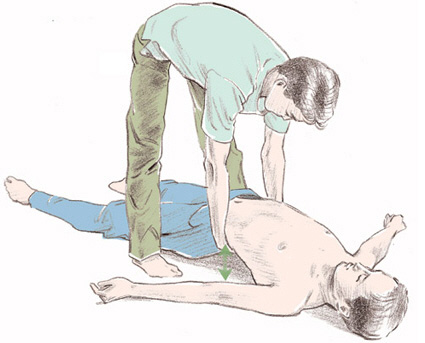
1. You should lie down on your back while your partner is holding your waist with both hands.
2. The partner will lift your waist 5cm and put down for 5~10 times.

3. The partner will hold your ankles and gently shake them sideway.


Written by Hyojung Kim

Aug 2, 2011

How to avoid food poisoning


Vibrio Parahaemolyticus Food Poisoning


As the risk of bacterial infection due to vibrio vulnificus sepsis is on the rise with the highest daytime temperature over 30℃, the National Fisheries Research & Development Institute (NFRDI) has announced a few factors to prevent vibrio parahaemolyticus food poisioning.
When preparing sashimi, raw fish, fresh fish must be used. The muscles of a living fish is sterile and do not carry pathogenic parahaemolyticus. However, bacteria on gills or scales penetrates into the muscles as they start to deteriorate, thus, it is imperative to wash fish thoroughly with running water after removing gills and scales in order to wash off parahaemolyticus.
Cooking utensils must be washed and disinfected after use. You can further prevent secondary contamination if other utensils such as knife, cutting board, dishcloth and etc. used to remove fish intestines, scales and fins are washed and disinfected as well.
Prepared sashimi must be consumed immediately or refreigerated as soon as possible. Since it only takes 10~20 minutes for vibrio parahaemolyticus to double up, leaving contaminated sashimi at room temperature for 3~4 hours during summer can cause food poisoning.
Healthy individuals do not need to worry too much about viblio parahaemolyticus because most of bacteria is weak to acid, thus, die when digesting food.
On the other hand, those with weak immune system must cooked food. Those who take antacids, stomach medicine or who have liver diseases (poor liver function, alcoholic liver disease and etc.) and diabetes must eat seafood that is boiled with the heat over 60℃.
“We will strengthen safety education targering fishermen and fisheries officials to prevent seafood food poisioning in summer time,“ said the representatives of NFRDI.
Written by Heejung Ko
A reporter of Medical Today

Jul 15, 2011

How to overcome sweltering summer nights

Sweltering night phenomenon refers to the summer nights when the night temperature remains above 25 degrees Celsius. Many people tend to suffer from insomnia, poor concentration, headache and lethargy during this time because the heat arouses central nervous system (CNS). The high temperature arouses the internal system that controls body temperature as well as the CNS, and make them hyperactive.

Tips for sweltering summer nights

1. Avoid caffeine and nicotine
Caffeine as well as nicotine arouses the CNS which hinder good night’s sleep. Caffeine is effective for 8~14 hours, thus, you should avoid drinking coffee in the afternoon.

2. Avoid alcohol before sleep
Some drink alcohol when they can’t fall asleep. Though alcohol relaxes your body and let you fall asleep easily, it wakes you up once alcohol concentration in the body decreases.

3. Take a shower with lukewarm water
It helps you to have a good night’s sleep if you drop the body temperature slightly. However, muscles tense up, and the body temperature increases in order to warm up the skin temperature if you take a shower with cold water. Thus, it is recommended to take a shower with lukewarm water 10~20 minutes before going to bed.

4. Light exercise in the early evening
Light exercise in the early evening helps body temperature to go down gradually, creating a perfect body condition for a good sleep. Avoid intense exercise 2~3 hours before sleep.

5. Avoid overeating at nighttime
It is hard to fall asleep if your stomach is filled with food. If you can’t fall asleep due to hunger, it is recommended to eat soft food like tofu, egg or banana. A glass of warm milk is also effective.

6. Eat lettuce and lotus root
Lettuce lowers body temperature and stabilize mental mind. Lotus root is also effective for good sleep.

7. Don’t be stressed out about sleep
There is time when you try too hard to sleep. Sometimes, doing a light activity can be better for you. Light reading, listening to music may help you to relax the CNS and to fall asleep.

8. Maintain 26~28 degrees of indoor temperature
It is recommended to lower your room temperature before you go to bed. Sleeping with air conditioner or cooling fan on may cause hypothermia, a cold, or even the death. If you have to keep the cooling fan on, make sure to keep the safe distance and set up the timer for 1~2 hours only.

9. Maintain regular sleep pattern
Irregular sleep pattern make you feel more tired and hard to fall asleep at night. If you need a nap, limit it to 20~30 minutes.

10. Use breathable beddings
During the sweltering summer nights, the bedding can get wet with sweat which can be unpleasant and hinders good sleep. Make sure to use breathable and absorbent bedding such as hemp, ramie and rayon.


Written by Hyojung Kim  manacula@brainworld.com
Translated by Korea Medical Hub

Jul 4, 2011

Health tips for rainy season


Every summer, the rainy season creates several problems for us, from wreaking havoc on commuters using public transport, to seeping moisture that damages the walls of your home. If you want to enjoy the rain without the annoyances they so often causes, implement these tips on how to take care of your health right through the season.


Health tips for the rainy season

It is imperative that you llok after yourself during the rains, as it brings with them a host of health hazards:

> Puddles of dirty rainwater breed germs, which give rise to a number of water-born diseases. It is therefore important to boil and filter your drinking water.
> Try to keep your surroundings as free of stagnant water as possible. If they are unavoidable, putting a few drops of kerosene or phenyl in standing water can reduce mosquito breeding. Use mosquito nets or repellent to keep the insects at bay. If you get wet or have to walk through puddles, make sure that you wash up thoroughly afterward to avoid any skin irritation, or worse, disease.
> Try to keep your food as clean as possible, and steam your vegetables well to kill germs. It's preperable to stick to light meals and avoid spicy and heavily fried foods. Drinking warm water with every meal will also aid digestion.
> Another serious hazard during the rainy season is electric shocks, caused by rainwater dripping onto live wire. Make sure you check the wiring, switches and electrical appliances in your house regularly, especially if you have a seepage problem.
> Ashma patients need to be specially careful during the rainy season - make sure there is nno water seepage or fungus growth in the house.
> Make sure your children don't play around on waterlogged streets, where the water often conceals sharp objects like glass or stones. Open manholes also pose a serious danger.

Written by N.S. Sawaikar

Jun 29, 2011

Learn how to prevent wrinkles in your daily life

Do you feel sad when you see new wrinkles appear?
Improving your way of life can delay the aging effect.

Wrinkles mark the passing of time

>> Sleep on your back
 Lying on your stomach or your side causes wrinkles to form more easily. The skin stretches around your temples resulting in lines around your forehead and crows-feet around your eyes. So always try to sleep on your back.
>> Don't make grimaces
Grimacing often leaves trace marks on your face. Those with poor vision will grimace more frequently, which causes deep lines to form underneath their eyes. Constantly keeping a bright smile on your face helps you to have a brighter mind and firmer skin.
>> Release your face muscles with a massage
Using your index fingers, massage up and down around both sides of your mouth to release tension in that area. Repeating this step regularly will help against signs of premature againg around your mouth and nose, which makes you appear to be older than you really are.

Jun 19, 2011

Less than 6 hours of sleep increases mortality rate


Noteworthy result is presented for those who lack sleep due to busy modern life pattern; goes to sleep late and wakes up early.
The research team of Warwick University in UK has researched more than 470,000 people from 8 countries including Japan, USA, Sweden and UK. The research showed people who sleep less than 6 hours per night have the higher risk of dying from heart disease at 48% and stroke at 15% than others.
“Sleep pattern of busy modern people - sleeping late and waking up early – is fatal to their health because lack of sleep causes hormone imbalances, which leads to heart disease, hypertension, diabetes, and obesity,” said the research team.
This research is posted on ‘European Journal of Cardiovascular Studies’, and reported on BBC of UK on June 8th.
 
Written by an editor of Health chosun
 

Jun 6, 2011

Must-Know-Facts of EHEC (Enterohemorrhagic Escherichia Coli)

Photo by prep4md from flickr

With a recent scare of EHEC outbreak, let’s go over some of the must-know facts to protect ourselves.
Germany issued the early warning for steep increase of patients with Haemolytic-Uraemic Syndrome on May 22, 2011. 276 patients were diagnosed of Haemolytic-Uraemic Syndrome and two were dead from April 25 to May 27. EHEC patients are being reported continuously from all over the Europe since then. As of June 6 in Europe time, 2333 patients from 12 European countries are diagnosed with EHEC, and 2 patients are reported in the US according to the report posted on the ECDC(European Centre for Disease Prevention and Control).
Although its strain is rare, it is not the first time to be identified according to the report of WHO. It has been seen in humans before, but never in an EHEC outbreak. But the identification of a new strain of EHEC will help tracking down the point of EHEC outbreak.
The ECDC reported, “It has the various characteristics that make it more virulent and toxin-producing.”, and the public media used the term of super-bacteria; which have caused anxiety among people. However, the use of the term, ‘super-bacteria’ is not appropriate since it only showed the resistance on 3rd generation cephalosporin antibiotics and a few other antibiotics.
Although the use of antibiotics can kill the EHEC bacteria, antibiotics and antidiarrhotica must be avoided when treating Haemolytic-Uraemic Syndrome and hemorrhagic diarrhea caused because EHEC bacteria release toxins when they die, thus, the patient’s condition becomes more severe.
EHEC bacteria spread through a direct contact with infected meat, unprocessed milk, polluted water, animals or humans. Thus, it is crucial to keep the prevention manual of avoiding common food poisoning such as maintaining cleanliness of food you eat and washing hands thoroughly.
Original Post written by Mabari (in Korean)

May 18, 2011

Protect yourself from yellow dust

What is yellow dust and how do you prevent yellow dust from making us sick?


During the change of seasons, people are especially vulnerable to illness such as the common flu because of sudden change in environment. Yellow dust is one of these sudden change. During spring and winter time, when yellow dust is the worst, students must be especially careful to avoid being getting sick.

The yellow dust is a phenomenon that affects much of East Asia sporadically during the springtime months. The dust originates from the deserts of Mongolia, China and Kazakhstan, and are carried through strong wind that produce intense clouds of dust.

These clouds of dust are capable of producing acid rain, carrying toxic pollutants, vacteria and viruses. Areas affected with concentrated dust experience decreased visibility and stain buildings and automobiles yellow. On the human body, it is know to cause deteriorating effects including sore throat, asthma and other various health problems.

Although the Korean government is trying their best to aid the Chinese in restoring these yellow dust originating regions, this has not alleviated the problem yet.

Another popular springtime illness is the common flu. Here's a list of how to prevent yourself from getting the flu:

1. Wash your hands often.Washing your hands frequently is probably the most important method to prevent the common cold. It is the most important method, simultaneously, the most effective. Even when outside, regularly washing hands, by even using a sanitizing hand wipes or a sanitizer, can be helpful.
2. Wear a mask.Especially during winter and spring, when yellow dust is at its worst point, wearing a mask can prevent much of the dust going into the body.
3. Don’t smoke.Smoking can often damage airways and increase the vulnerability. Even second hand smoking can be harmful. Smoking can bring the similar effect of inhaling yellow dust.
4. Throw used tissues right away.Don’t leave used tissues lying around desks and other surfaces. The viruses can be left on the surface and contaminate others who touch it. Leaving used tissues around can be another cause of spreading the virus.
6. Wear glasses, not lens.Wearing glasses is better for the eyes than lens especially during the yellow dust season. Wearing contact lens can make the eyes more exposed to dusts because it provides no protection
7. Drink a lot of water!Water makes up 75% of human body. The amount of water people drink is critical. Dehydration can cause tiredness, constipation, muscle cramps, irregular blood pressure, kidney problems, dry skin, etc. Drinking water is important in maintaing homeostasis the body, preventing cold.
8. Create a healthy lifestyle.Last but not least, living a healthy lifestyle and acquiring good habits are important factors of preventing cold. Exercise, eat well. and sleep well. Physical activities and getting enough sleep will enhance the immune system.

Don’t let the yellow dust effect you! Remember these tips and stay healthy!

Written by hyunk12
Wordpress blogger
Source: http://hyunk12.wordpress.com/2010/03/01/springtime-illnesses/

Apr 21, 2011

Radioactive iodine found in breast milk of Japanese mothers

The breast milk of four Japanese mothers is found to contain small quantities of radioactive iodine. The radiation contamination issue came to light after tests conducted by a citizen’s group in Japan. The test was carried out on the samples of breast milk taken from nine brestfeeding mothers living in northeast and east of Tokyo. The government now faces calls for the full sacle investigation regarding the impact of the nuclear disaster on mothers and babies. The Nuclear Safety Commission of Japan is yet to set up the legal safety levels for radioactive substances in breast milk. 
However, the breast milk readings were below the safety limit of 100 becquerels per kg of tap water consumption by infants under one year of age and no radioactive cesium was found. The findings of the study have sparked concerns surrounding the impact of the nuclear crisis on mothers and babies. Kikuko Murakami, who heads the citizen’s group, told Kyodo News. ”We want the government to conduct an extensive investigation swiftly.”

Posted by Sue Tapply
Summary of Story from The Telegraph, April 21, 2011

Apr 15, 2011

It's Spring! Flower helps relieving our stress.

The beautiful spring in Korea offers many places for us to watch and smell flowers. We would like to introduce an interesting study which conducted by Dr. Jeffrey Cram and published by Flower Essence Society in 1999.
Flower essences reduce stress reaction
to intense environmental stimulus

All subjects were monitored using standard qEEG (19 site) montage, along with bilateral surface EMG measurements at six sites. The sEMG sites were located at the frontal, C2 (mastoid to mastoid), Cervical (C4 paraspinal), Thoracic (T6 Paraspinal), Lumbar (T12 paraspinal) and Sacral (L1 Paraspinal) areas. Note: EEG (electroencephalograph) measures the electrical activity of the brain, while EMG (electromyography) measures electrical activity in the muscles.
A ten minute study was conducted on each subject, consisting of the following conditions: A three (3) minute baseline; a one (1) minute period in which the subject was administered either a sublingual flower essence or placebo preparation; a three (3) minute period to observe the physiological response to the essence or placebo; a three (3) minutes period where the subject was exposed to high-intensity photic stimulation from fluorescent lights; and a three (3) minute post stimulation / recovery period.
The major finding of the study was the substantial attenuation by the two flower essence formulas on frontal lobe activation seen during and following intense photic stimulation.
The frontal lobes of the brain is where our "executive" function take place. It is the location where we interpret, plan, decide and direct things. It is also the location where our emotions are interpreted and regulated. When an emotion is generated by the limbic system of the brain, it is sent to the frontal lobes to evaluate the degree of threat and to plan a strategy to deal with it. For example, if one had seen a bear while walking in the woods, the limbic system would signal fear, and the frontal lobes would evaluate the level of threat, survey the options available and decide whether to throw rocks at the bear, climb a tree or run. A physiological fight or flight activation takes place during this appraisal process. The frontal lobes orchestrate the arousal.

In conclusion, this study systematically assessed the effect of two flower essences on intense environmental stimulation. Using a scientifically based placebo control group design, the two flower essences were found to reduce physiological activation and stress on the human organism. This physiological homeostasis may be evidence of the ability of the flower essences to strengthen emotional equilibrium and equanimity in the face of stresses environmental impacts, thus reducing the typical "fight or flight" stress response.


Retrieved from http://www.flowersociety.org/Cram2/index.htm